

ATEX TYPE 22 INDUSTRIAL VACUUMS
Specialist ATEX and Zone 22 industrial vacuum solutions for combustible dust applications, supported by R&S Industrial Cleaning Equipment from our Northampton base.
ATEX VACUUM CLEANERS FOR HAZARDOUS DUST ENVIRONMENTS
Combustible dust can create a potentially explosive atmosphere when the right conditions exist. Fine material dispersed in air, combined with an effective ignition source and other necessary conditions, can create a serious fire or explosion hazard.
Under DSEAR, employers are responsible for assessing risks from dangerous substances and, where explosive atmospheres may occur, classifying hazardous areas into appropriate zones.
The correct industrial vacuum should therefore be selected around the site’s hazardous-area classification, material being collected, application and manufacturer requirements.
R&S can help customers understand the available equipment, but hazardous-area classification and the wider DSEAR assessment remain the responsibility of the employer and relevant competent persons.
ZONE 20, ZONE 21 & ZONE 22 EXPLAINED
For combustible dust, hazardous-area classification considers how likely an explosive dust atmosphere is to occur and how long it may persist.
Zone 20
An area where an explosive atmosphere in the form of a cloud of combustible dust in air is present continuously, for long periods or frequently.
Zone 21
An area where an explosive atmosphere in the form of a cloud of combustible dust in air is likely to occur occasionally during normal operation.
Zone 22
An area where an explosive atmosphere in the form of a cloud of combustible dust in air is not likely to occur during normal operation but, if it occurs, will persist for a short period only.
Not every dusty environment is automatically Zone 22
The presence of dust alone does not establish a Zone 22 classification. Employers should assess the risk and classify areas where hazardous explosive atmospheres may occur. The appropriate equipment can then be selected for that assessed environment.
HOW TO CHOOSE THE RIGHT ATEX VACUUM
ATEX vacuum selection should take account of the material, working environment, hazardous-area classification and equipment requirements.
Tell R&S what material needs to be collected, where the equipment will be used and the zone classification identified for the working area.
WHERE COMBUSTIBLE DUST RISKS MAY ARISE
Potentially explosive dust atmospheres can occur across a wide range of industrial sectors. Whether ATEX-rated equipment is required depends on the process, material, assessment and hazardous-area classification.
Food Manufacturing
Fine organic powders and ingredients such as flour, starch and sugar can create combustible dust hazards under appropriate conditions.
Woodworking
Fine wood dust produced during cutting, sanding and processing can create fire and explosion hazards requiring appropriate controls.
Engineering & Manufacturing
Industrial processes can generate fine particulate and combustible materials requiring controlled collection and housekeeping.
Pharmaceutical & Chemical
Powders and fine materials used within specialist production environments can require carefully selected collection equipment.
Additive Manufacturing
Fine powders used in some additive-manufacturing processes can require specialist collection equipment and controlled working practices.
Waste & Recycling
Material handling and processing can create dust requiring appropriate risk assessment, housekeeping and equipment selection.
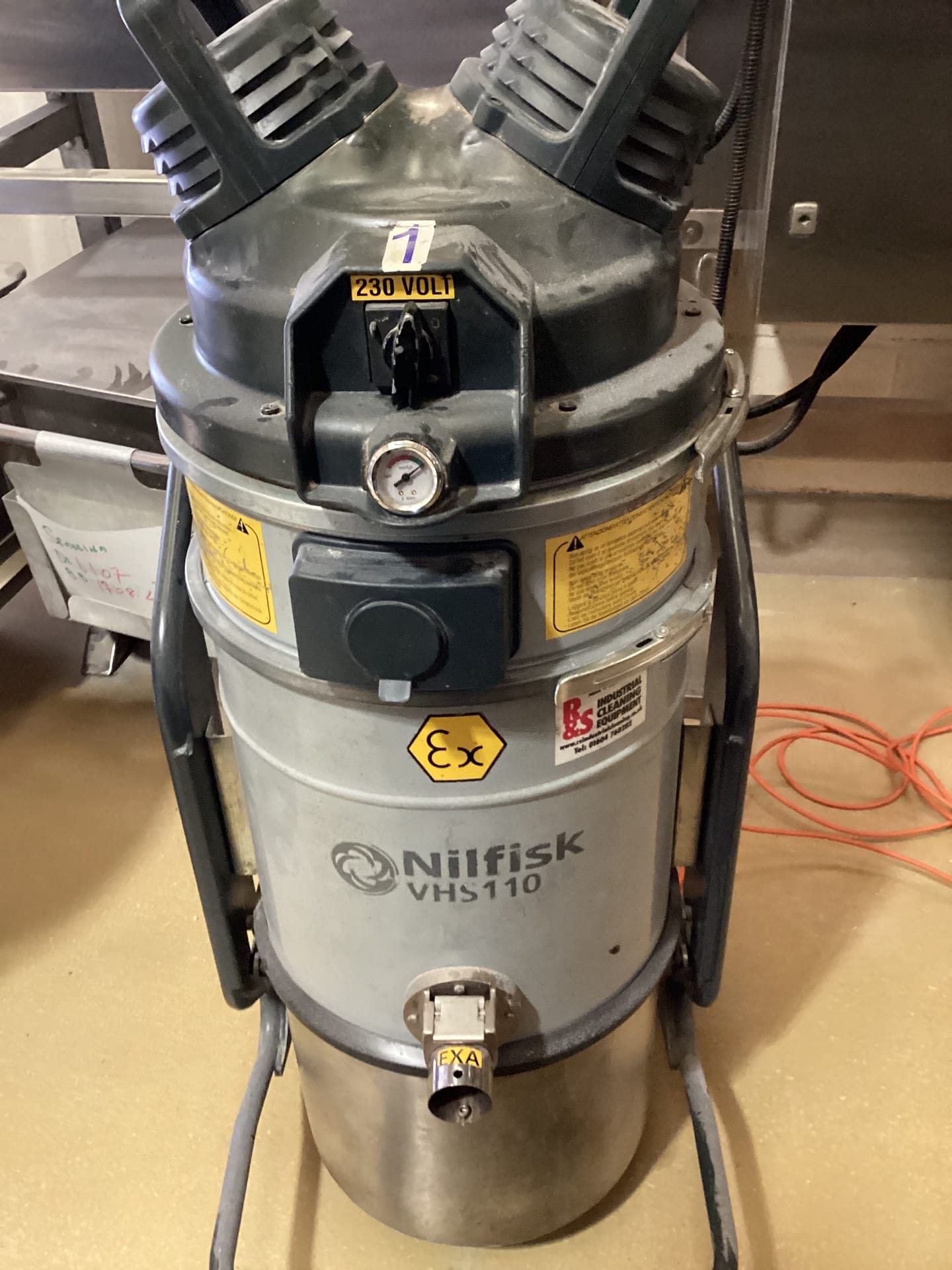
CHOOSE EQUIPMENT FOR THE ASSESSED APPLICATION
An ATEX industrial vacuum should not be selected because it looks similar to another vacuum or simply because it is labelled for hazardous use.
The relevant zone, dust characteristics, filtration, electrical and electrostatic considerations, collection method and required accessories all need to be considered.
DON’T CHOOSE AN ATEX VACUUM ON PRICE ALONE
Correct equipment selection begins with understanding the hazard and the environment in which the vacuum will operate.
Assess the Hazard
Identify dangerous substances and assess the fire and explosion risks associated with the process.
Confirm the Zone
Where required, classify hazardous areas according to the likelihood and persistence of an explosive atmosphere.
Select Suitable Equipment
Choose equipment whose rating, certification and intended use are appropriate for the assessed application.
Maintain It Correctly
Inspection, servicing, testing and the correct components remain important throughout the equipment’s working life.
ATEX VACUUM SALES, HIRE, SERVICING & REPAIRS
R&S supports specialist industrial vacuum equipment throughout its working life — not just at the point of sale.
ATEX Vacuum Sales
Specialist industrial vacuum equipment for suitable combustible-dust and hazardous-area applications.
ATEX Vacuum Hire
Specialist hire equipment for suitable temporary, project or operational requirements.
ATEX Vacuum Servicing
Regular inspection, servicing and applicable testing of suitable specialist equipment.
ATEX Vacuum Repairs
Diagnosis and repair support for suitable ATEX industrial vacuum equipment.
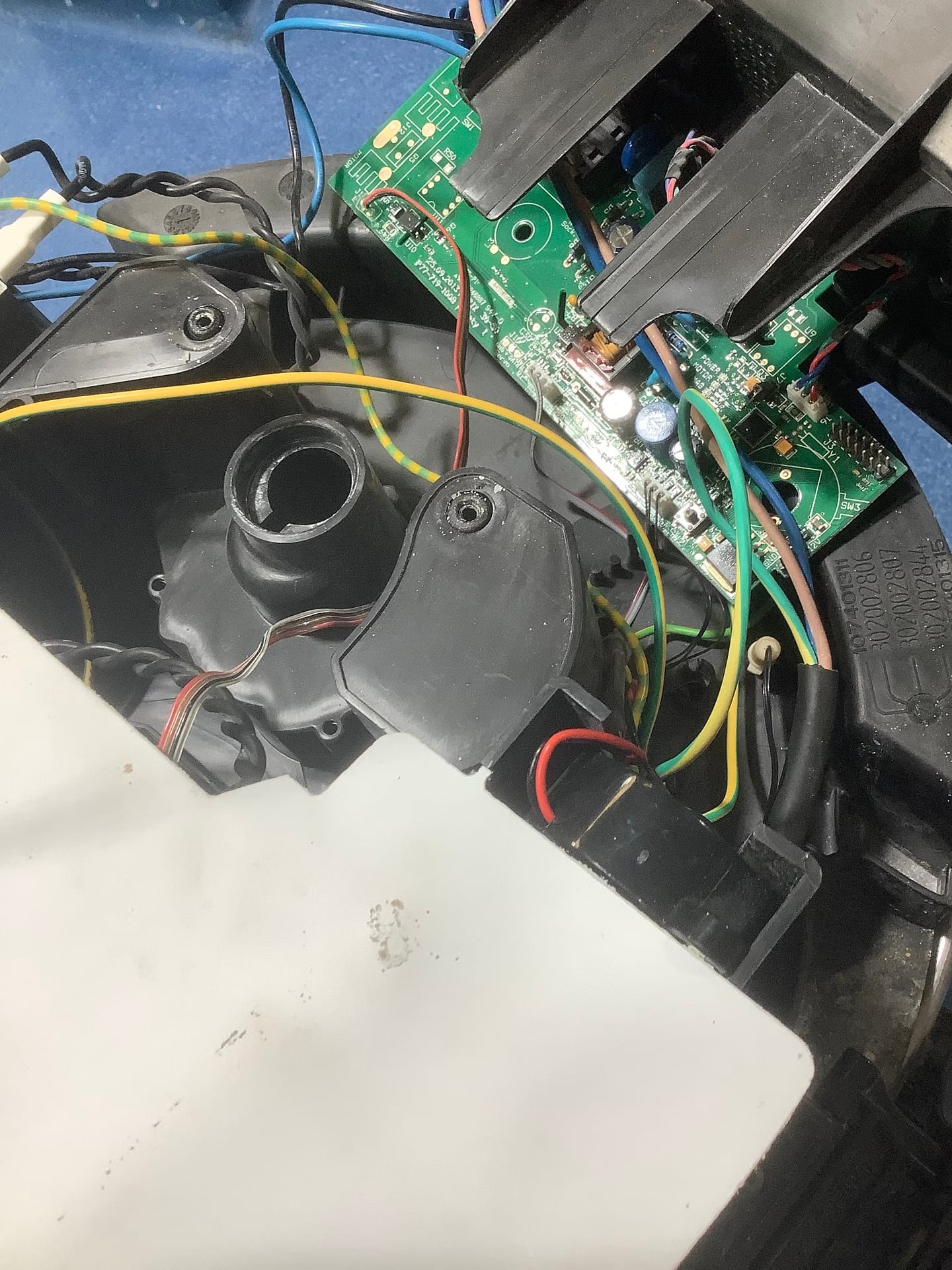
BUYING AN ATEX VACUUM IS NOT THE END OF THE RESPONSIBILITY
Specialist equipment used in potentially explosive atmospheres should not simply be purchased, put into service and then ignored.
HSE guidance states that equipment for use in explosive atmospheres should be regularly inspected and maintained so that it does not pose an increased risk of causing a fire or explosion.
HSE also states that maintenance should only be carried out by people competent to do so.
R&S provides specialist servicing of suitable ATEX industrial vacuum equipment. Relevant inspection, testing and calibration procedures are carried out as applicable to the machine and manufacturer requirements.
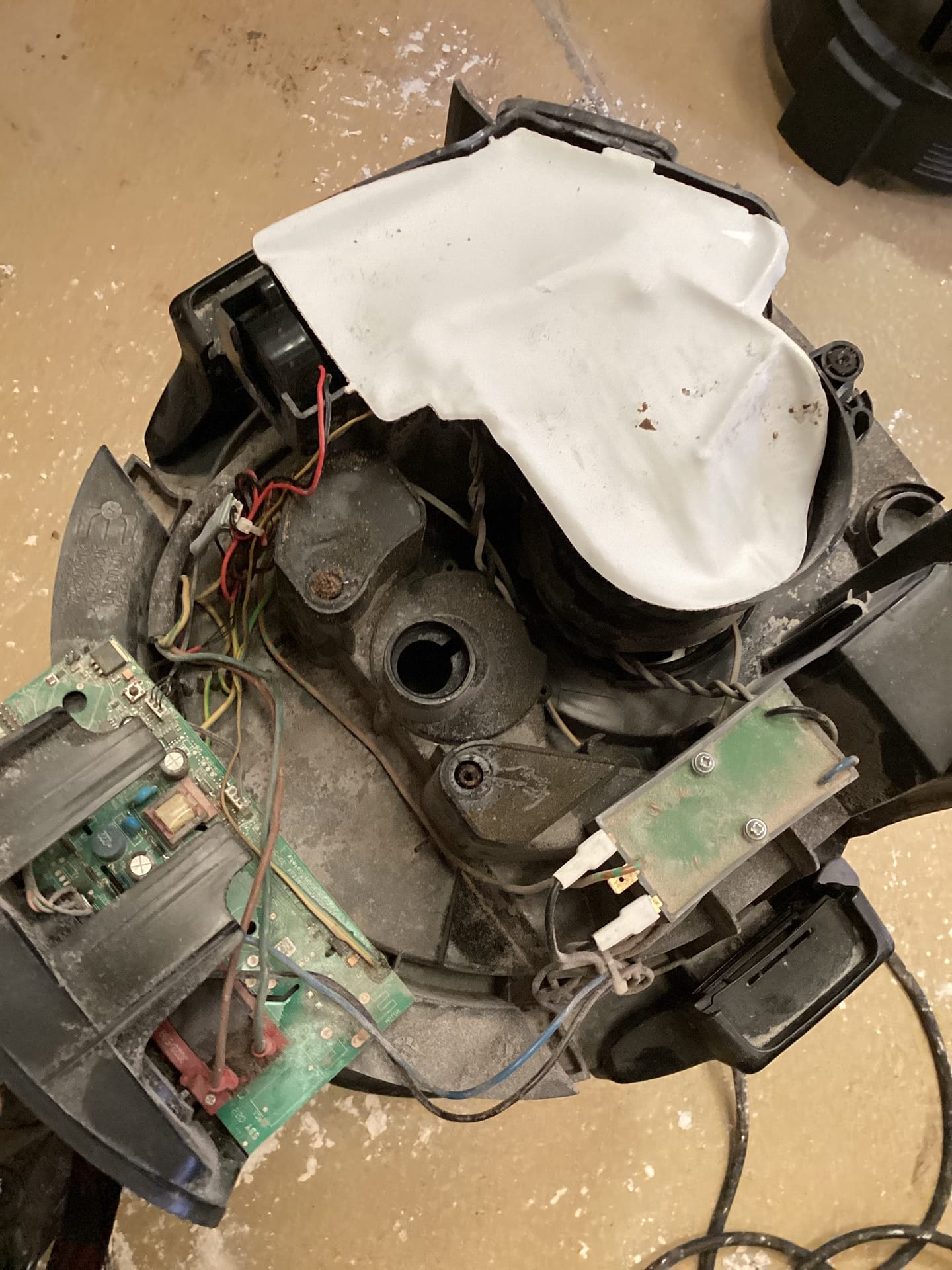
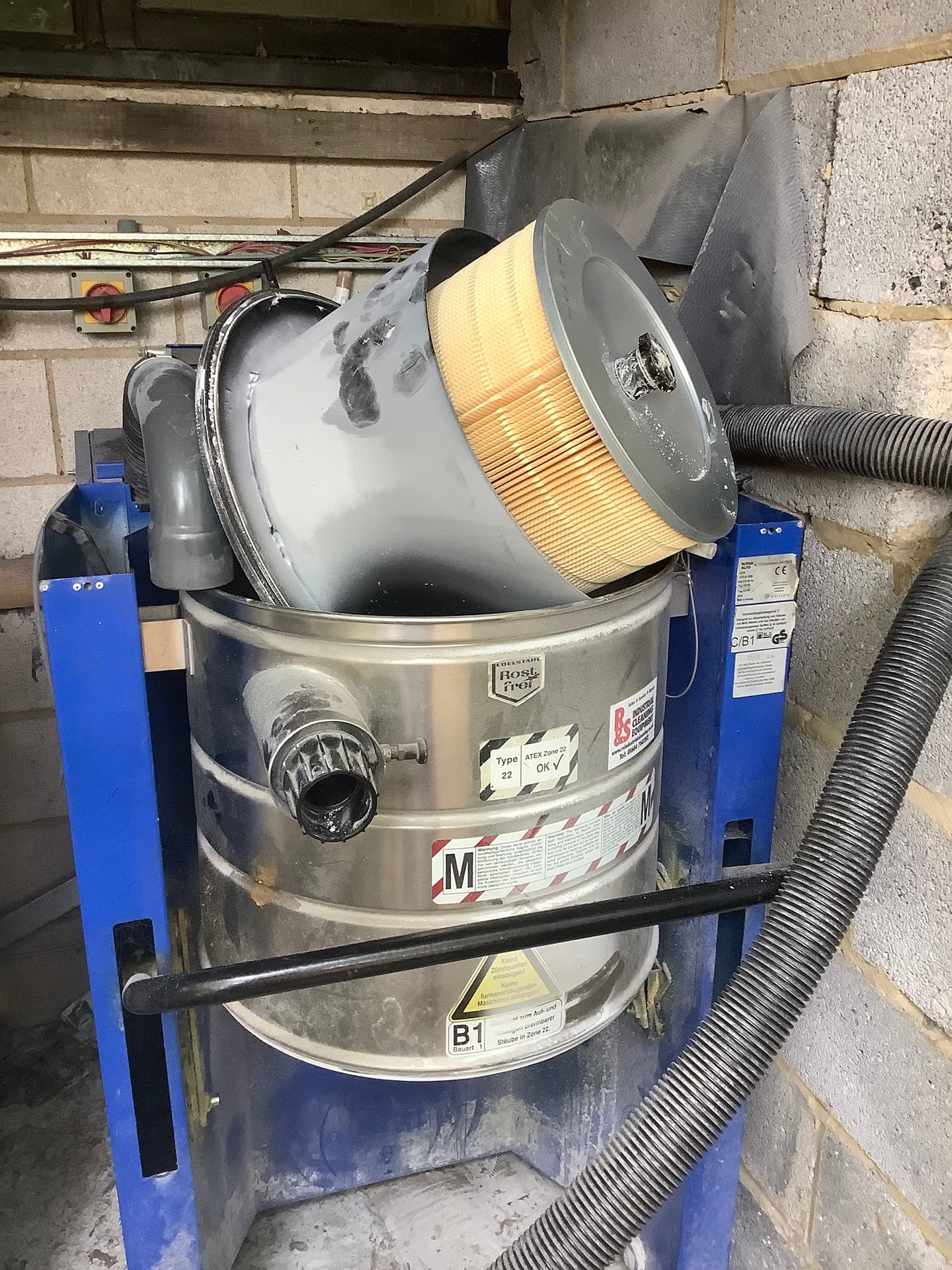
ATEX VACUUMS REQUIRE APPROPRIATE TECHNICAL ATTENTION
Specialist industrial vacuum equipment can rely on filtration, conductive components, seals, accessories and other systems working correctly together.
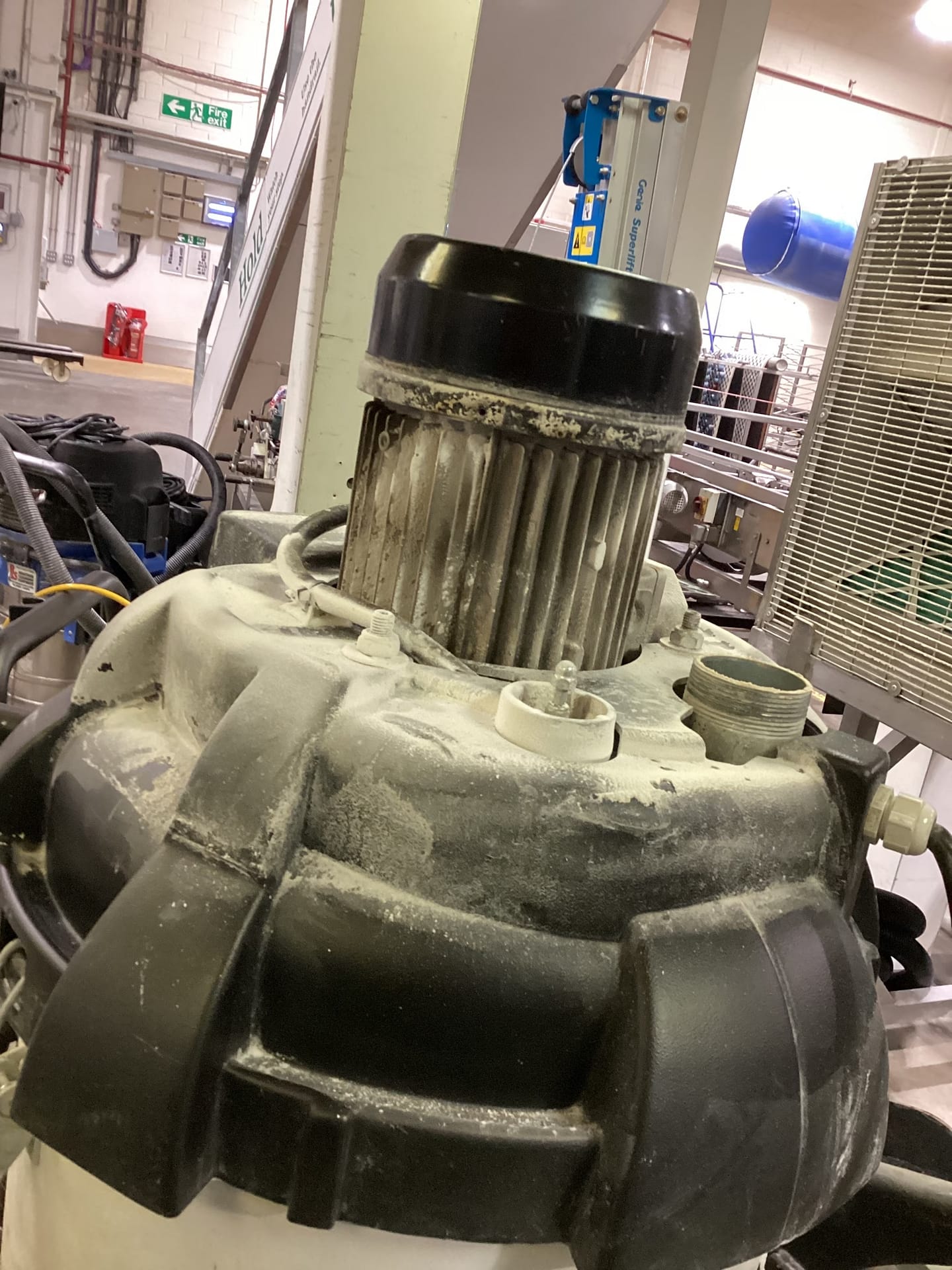
Damage, deterioration, incorrect replacement parts or unsuitable accessories can affect the condition and safe operation of the equipment.

FILTER CONDITION IS PART OF MACHINE CONDITION
Industrial vacuum filtration is central to effective dust collection. Filters should be inspected, maintained and replaced in accordance with the relevant equipment and manufacturer requirements.
A vacuum used for hazardous dust should not simply be operated until performance noticeably falls away. Routine inspection and servicing gives trained personnel the opportunity to identify deterioration, contamination or damage.
THE VACUUM IS ONLY PART OF THE SYSTEM
Using suitable specialist equipment means considering more than the vacuum itself. Hoses, tools, filters and accessories must also be suitable for the machine, application and hazardous environment.
Electrostatic discharge can provide an ignition source in a potentially explosive atmosphere. Appropriate conductive or anti-static components and correct earthing arrangements therefore form an important part of controlling electrostatic risks where required.
Use the manufacturer-specified or otherwise appropriately rated conductive / anti-static hoses, tools and accessories required for the machine and application.
In a potentially explosive atmosphere an electrostatic discharge can become a potential ignition source. Unexpected static discharge from equipment should be investigated rather than accepted as normal vacuum operation.
Explore Specialist Industrial Vacuum Equipment
View the industrial vacuum brochure for further information on specialist vacuum solutions. Always confirm the precise machine specification and suitability for the assessed application before purchase or use.
ATEX, DSEAR & UK SAFETY GUIDANCE
R&S provides equipment and engineering support. Workplace risk assessment, hazardous-area classification and the wider explosion-safety arrangements remain the responsibility of the employer and relevant competent persons.
HSE — ATEX & Explosive Atmospheres
Official HSE information covering explosive atmospheres, DSEAR, hazardous-area classification and equipment selection.
Read HSE Guidance →Equipment for Potentially Explosive Atmospheres
Official GOV.UK guidance concerning the Equipment and Protective Systems Intended for Use in Potentially Explosive Atmospheres Regulations 2016.
Read GOV.UK Guidance →ATEX VACUUM SPECIALISTS BASED IN NORTHAMPTON
R&S Industrial Cleaning Equipment supports commercial and industrial customers requiring specialist vacuum equipment across Northamptonshire, the Midlands and selected wider locations.
Whether you need to buy or hire a Type 22 vacuum, service an existing ATEX machine, arrange a repair or source suitable replacement components and accessories, speak to the R&S team.
ATEX & TYPE 22 VACUUM QUESTIONS
What is an ATEX Type 22 vacuum cleaner?
The term is commonly used for specialist industrial vacuum equipment intended for appropriate combustible-dust Zone 22 applications. The exact equipment required should be selected according to the hazardous-area classification, material, application and machine certification.
What is ATEX Zone 22?
Zone 22 describes an area where an explosive atmosphere in the form of a cloud of combustible dust in air is not likely to occur during normal operation but, if it occurs, persists for a short period only.
Do all dusty workplaces need a Type 22 vacuum?
No. Dust alone does not automatically establish a Zone 22 classification. Employers must assess the risks and, where required, classify hazardous areas before appropriate equipment is selected.
Do ATEX vacuum cleaners need regular servicing?
Equipment used in explosive atmospheres should be regularly inspected and maintained. HSE guidance states that equipment should be maintained so that it does not pose an increased fire or explosion risk and that maintenance should be carried out by competent people.
Who should service an ATEX industrial vacuum?
Maintenance of equipment used in explosive atmospheres should be undertaken by competent personnel. R&S provides specialist servicing for suitable ATEX industrial vacuum equipment using applicable inspection, testing and manufacturer procedures.
Can I use ordinary hoses and tools on an ATEX vacuum?
Do not assume an ordinary hose or tool is suitable simply because it physically fits. Accessories should be appropriate for the machine, hazardous environment and application, including conductive or anti-static properties where required.
Why is static electricity important with combustible dust?
Electrostatic discharge can act as an ignition source in a potentially explosive atmosphere. Suitable equipment, accessories and measures to control static build-up are therefore important where required by the risk assessment and equipment design.
Does R&S repair ATEX industrial vacuums?
Yes. R&S can provide specialist repair support for suitable ATEX industrial vacuum equipment. Contact the team with the manufacturer, model and reported fault.
Can I hire an ATEX vacuum from R&S?
R&S can discuss specialist industrial vacuum hire requirements. The correct equipment depends on the application, material and hazardous-area classification.
Can R&S tell us whether our workplace is Zone 22?
Equipment advice should not be confused with hazardous-area classification. Employers are responsible for their DSEAR risk assessment and classification of areas where explosive atmospheres may occur.
NEED AN ATEX OR TYPE 22 INDUSTRIAL VACUUM?
Tell us what material you need to collect, the environment in which the vacuum will operate and the hazardous-area classification identified for the site. We can then discuss suitable equipment, hire, servicing, repairs or accessories.